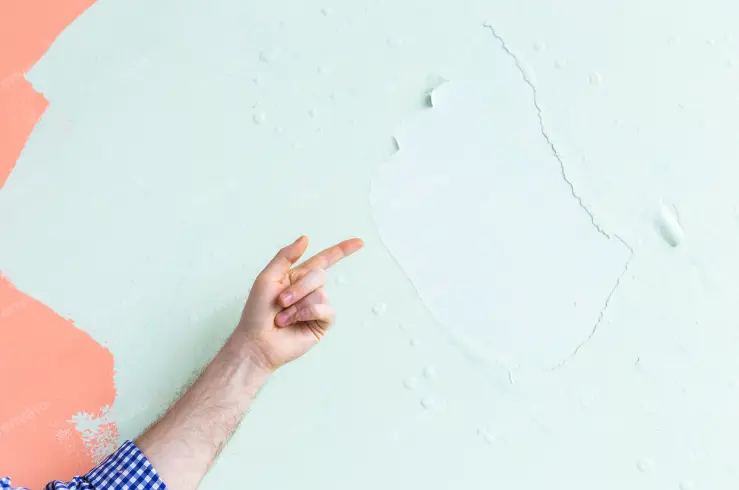
Repairing drywall before painting helps create smooth walls, improves paint appearance, and prevents visible damage from showing through the finished surface. Cracks, holes, dents, and uneven textures can become more noticeable after paint is applied if repairs are skipped. In 2026, painting professionals continue emphasizing proper wall preparation because modern interior paints and lighting can highlight even small wall imperfections. Taking time to repair drywall first can help homeowners achieve cleaner, longer-lasting results.
Damaged Drywall Becomes More Visible After Painting
One major reason for drywall repair before painting is that paint often makes wall damage easier to notice instead of hiding it. Even high-quality paint cannot fully hide damaged drywall.
Problems can stand out even more after fresh paint dries, such as
- Nail holes
- Cracks
- Dents
- Peeling tape
- Uneven surfaces.
Modern LED lighting and natural sunlight also reveal wall imperfections more clearly than older lighting systems.
| According to recent painting industry reports, smooth wall surfaces remain one of the most important factors in achieving professional-quality paint finishes. |
Paint Does Not Fix Structural Wall Problems
Some homeowners assume thick paint layers will cover cracks or holes, but paint alone cannot repair underlying damage. Understanding why fix drywall before painting is important because wall damage may continue spreading if repairs are ignored.
For example
- Small cracks may widen over time
- Loose drywall tape can peel further
- Water damage may worsen
- Soft drywall may crumble behind paint.
Repairing these issues early helps prevent additional maintenance later.
| Experts also recommend checking for moisture problems before repairing drywall because hidden leaks may continue damaging walls after painting. |
Smooth Walls Improve Paint Appearance
Fresh paint looks best on smooth, properly prepared surfaces. Proper sanding and patching help paint reflect light evenly across the wall.
Professional painters spend significant time sanding and repairing walls because uneven drywall can create
- Bumpy textures
- Shadow lines
- Uneven paint absorption
- Visible patch marks.
| The National Association of Home Builders reports that wall surface quality strongly affects the final appearance of interior finishes in modern homes. |
Painting Over Damage Can Create More Problems
Many painting over damaged drywall issues become obvious after the paint dries completely. In some cases, damaged drywall may absorb paint differently than surrounding areas, creating visible discoloration or flashing.
Common problems include
- Cracks reappearing
- Peeling paint
- Bubbling surfaces
- Uneven texture
- Patch outlines showing through.
| Glossy and satin paint finishes make wall flaws even easier to see because they reflect more light. |
Proper Wall Preparation Helps Paint Last Longer
Good wall preparation before painting not only improves appearance but also helps paint last longer. Clean, repaired drywall allows paint and primer to bond more effectively with the wall surface. Skipping preparation can lead to faster paint failure and more frequent repainting.
Professional preparation usually includes
- Filling holes and cracks
- Sanding rough areas
- Cleaning dust and grease
- Applying primer
- Repairing water damage.
| Paint manufacturers in 2026 continue recommending primer use on repaired drywall areas because it improves paint adhesion and color consistency. |
Common Drywall Problems That Need Repair
Several drywall problems should always be repaired before painting begins.
Nail Holes and Small Dents
These are among the easiest drywall repairs. Small holes can usually be filled with lightweight spackle and sanded smooth.
Cracks
Wall cracks may appear because of
- House settling
- Temperature changes
- Moisture movement
- Poor drywall installation.
Hairline cracks are common, but larger cracks may need drywall tape and joint compound repairs.
Water Damage
Water-damaged drywall may develop
- Stains
- Soft spots
- Mold growth
- Bubbling surfaces.
Damaged sections often need replacement before painting can begin safely.
Loose Tape and Joint Damage
Drywall seams may separate over time if tape loosens beneath the surface. Repairing seams properly helps prevent future cracking after painting.
Drywall Repairs Can Increase Home Value
Well-finished walls improve the overall appearance of a home and may help increase buyer interest during resale. Fresh paint on damaged walls may actually draw more attention to defects. Smooth, clean walls help rooms look newer and better maintained.
| Real estate professionals often recommend repairing visible wall damage before listing homes for sale because buyers notice wall imperfections quickly. |
Professional Repairs vs. DIY Repairs
Some small drywall repairs are manageable for homeowners, while larger damage may require professionals.
DIY repairs often work well for
- Small nail holes
- Minor dents
- Tiny surface cracks.
Professional help may be needed for
- Large holes
- Water damage
- Structural cracks
- Ceiling repairs
- Mold concerns.
| In 2026, average drywall repair costs in the United States typically range from $150 to $850+, depending on the damage size and labor required. |
Primer Is Important After Drywall Repair
Primer plays a major role after drywall repairs are completed. Without primer, repaired areas may appear duller or shinier than the rest of the wall.
Repaired drywall areas often absorb paint differently from the surrounding surfaces. Primer helps create a uniform finish and prevents patch marks from showing through.
- Professional painters almost always prime patched drywall before applying final paint coats.
The Importance of Proper Drywall Repair
The importance of drywall repair goes beyond appearance alone. Repairs help strengthen wall surfaces, improve paint durability, and reduce future maintenance problems. Taking time to repair walls properly before painting usually saves money in the long run.
Ignoring damaged drywall may lead to
- Larger cracks
- Paint peeling
- Moisture problems
- Higher repair costs later.
Conclusion
Repairing drywall before painting helps create smoother walls, better paint finishes and longer lasting results. Small cracks, dents, and water damage can become much more noticeable after painting if repairs are skipped. By preparing walls carefully and fixing damage early, homeowners can improve both the appearance and durability of their interior paint projects.
FAQs
Can you paint directly over damaged drywall?
You can, but the damage will usually remain visible and may worsen over time. Proper repairs create a smoother and more durable finish.
Do small drywall cracks need repair before painting?
Yes, even small cracks should be repaired because paint alone will not stop cracks from reappearing.
Why is primer important after drywall repair?
Primer helps repaired areas absorb paint evenly and prevents patch marks or texture differences from showing through the final paint coat.