A damaged roof rarely has just one problem. In many cases, homeowners discover multiple issues happening at the same time, such as leaks, missing shingles, damaged flashing, clogged gutters, mold growth, or sagging roof sections. When several roofing problems combine, they can quickly lead to serious structural damage if repairs are delayed.
The key to fixing a roof with multiple issues is understanding the root causes, prioritizing repairs correctly, and using long-term solutions instead of temporary patches.
In this guide, we’ll explain how professionals identify and repair roofs with multiple problems and what homeowners should expect during the repair process.
For reliable roofing inspection and repair services, MAC Contractor provides professional solutions designed to restore roof safety, performance, and durability.
Signs Your Roof Has Multiple Problems
Many roofing issues develop slowly over time. Because of this, homeowners may not realize the roof has widespread damage until visible warning signs appear.
Common signs include:
- Water stains on ceilings or walls
- Missing or curled shingles
- Mold or mildew growth
- Sagging roof sections
- Granules are collecting in gutters
- Drafts or poor attic ventilation
- Frequent leaks during rainstorms
If more than one of these signs appears together, your roof may require a full inspection rather than a simple repair.
Step 1: Perform a Complete Roof Inspection
The first step in fixing a roof with multiple issues is identifying all damaged areas, not just the visible leak.
Professional roof inspections typically include:
- Exterior roof surface evaluation
- Shingle condition assessment
- Flashing inspection
- Chimney and vent checks
- Gutter and drainage inspection
- Attic and insulation evaluation
A complete inspection helps determine whether the roof needs targeted repairs or partial replacement.
Step 2: Identify the Root Cause of the Damage
Roof problems are often connected. For example, clogged gutters can lead to standing water, which damages shingles and creates leaks. Poor attic ventilation may cause moisture buildup that weakens the roof decking.
Instead of treating each issue separately, professionals focus on identifying the underlying causes.
Common root causes include:
- Storm or wind damage
- Aging roofing materials
- Poor installation
- Lack of maintenance
- Water drainage problems
- Ventilation issues
Fixing the root problem helps prevent recurring damage.
Step 3: Repair Roof Leaks First
Active leaks should always be addressed immediately because water intrusion can quickly damage insulation, drywall, wood framing, and electrical systems.
Roof leak repairs may involve:
- Replacing damaged shingles
- Sealing roof penetrations
- Repairing flashing
- Fixing cracked vent boots
- Replacing rotted decking
Stopping water entry is usually the top priority during roof restoration.
Step 4: Replace Damaged or Missing Shingles
Shingles protect your roof from moisture, UV rays, and weather exposure. Missing or broken shingles expose the roof underneath to water damage.
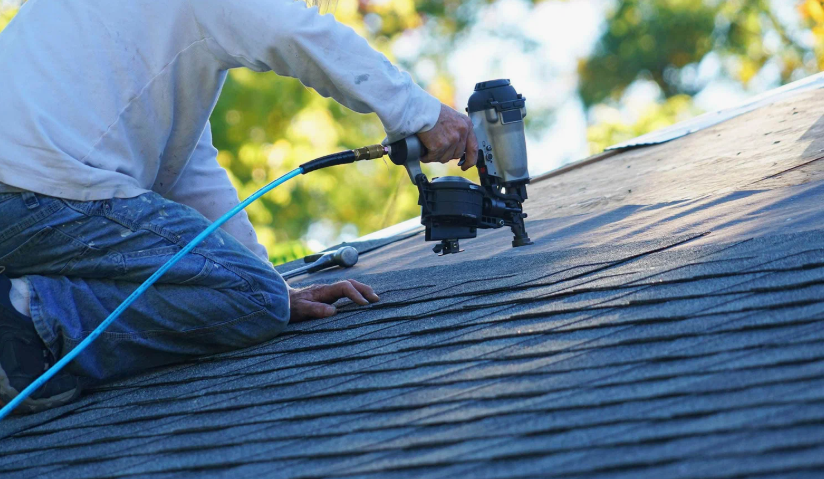
Roofers carefully remove damaged shingles and replace them with matching materials to restore protection and maintain appearance.
If large sections are damaged, partial reroofing may be recommended.
Step 5: Repair or Replace Flashing
Flashing is one of the most important parts of a roofing system. It seals vulnerable areas around chimneys, skylights, vents, and roof valleys.
Damaged flashing is one of the leading causes of persistent roof leaks. Repairs may include resealing joints, replacing rusted metal, or installing new waterproof barriers.
Step 6: Fix Drainage and Gutter Problems
Water drainage issues can create long-term roof damage. Clogged or damaged gutters force water to back up under roofing materials, increasing leak risk.
Professional repairs may include:
- Cleaning gutters and downspouts
- Repairing sagging gutter sections
- Improving water flow
- Installing gutter guards
Proper drainage helps protect both the roof and foundation.
Step 7: Address Ventilation and Moisture Issues
Poor attic ventilation can trap heat and moisture inside the roof structure. Over time, this can lead to mold growth, warped decking, and reduced shingle lifespan.
Improving ventilation may involve:
- Installing ridge vents
- Adding attic exhaust systems
- Improving insulation airflow
Balanced ventilation helps extend the life of the entire roofing system.
Step 8: Repair Structural Roof Damage
In severe cases, roofing issues may affect structural components like decking or rafters. Sagging areas should never be ignored because they can indicate weakened support systems.
Structural roof repair may require:
- Replacing damaged wood decking
- Reinforcing support beams
- Correcting sagging roof sections
These repairs help restore roof stability and safety.
Step 9: Consider Whether Replacement Is More Cost-Effective
Sometimes a roof has so many problems that ongoing repairs become more expensive than replacement.
Factors that may indicate replacement is the better option include:
- Extensive water damage
- Multiple recurring leaks
- Severe storm damage
- Aging roof materials
- Large areas of structural deterioration
A professional roofing contractor can help determine the most cost-effective long-term solution.
Why Professional Roofing Repairs Matter
Fixing multiple roof issues requires experience, proper tools, and a complete understanding of roofing systems. DIY repairs may temporarily cover visible damage, but hidden issues often remain untreated.
Professional roofers ensure:
- Accurate damage assessment
- Safe repair procedures
- Proper material installation
- Long-term waterproofing protection
- Compliance with building standards
This helps prevent future repair costs and protects your home investment.
Final Thoughts
A roof with multiple issues should never be ignored. Small problems can quickly combine into major structural damage if left untreated. The best approach is a full inspection, proper diagnosis, and professional repair plan that addresses both visible damage and underlying causes.
Whether your roof has leaks, flashing damage, drainage problems, or structural concerns, early action can save significant time and money.
For dependable roofing inspections and repair solutions, MAC Contractor provides professional services designed to restore roof performance, safety, and long-term durability.