Your home’s siding does much more than improve curb appeal. It protects your house from rain, wind, moisture, pests, and changing weather while helping improve energy efficiency. If your siding is damaged, worn out, or reaching the end of its lifespan, replacing it can protect your investment and enhance your home’s appearance.
Before starting a siding replacement project, it’s important to understand your options, the installation process, and what factors affect the final result. At M.A.C Contractor, we help homeowners make informed decisions by providing high-quality siding installation backed by professional workmanship.
Why Homeowners Replace Their Siding
Siding naturally wears down over time due to exposure to the elements. While minor damage can often be repaired, extensive wear usually makes replacement the better long-term solution.
Common reasons to replace siding include:
- Cracks or holes
- Warped or loose panels
- Fading or peeling color
- Moisture damage
- Mold or mildew growth
- Increased energy bills
- Storm or wind damage
- Improving your home’s appearance before selling
Replacing damaged siding helps protect your home’s structure while reducing the risk of future repairs.
Signs It’s Time for New Siding
Not every issue requires a full replacement, but certain signs indicate your siding may no longer provide reliable protection.
Look for:
- Visible cracks or gaps
- Rotting wood siding
- Soft spots caused by moisture
- Bubbling or blistering panels
- Frequent repainting
- Interior water stains near exterior walls
- Higher heating or cooling costs
If you notice several of these issues, it’s a good idea to schedule a professional inspection.
Choose the Right Siding Material
One of the biggest decisions you’ll make is selecting the best siding material for your home. Each option offers different benefits depending on your budget, maintenance preferences, and desired appearance.
Vinyl Siding
Vinyl siding is one of the most popular choices because it is:
- Affordable
- Low maintenance
- Available in many colors and styles
- Resistant to insects and moisture
- Easy to clean
Fiber Cement Siding
Fiber cement offers outstanding durability and resembles natural wood.
Benefits include:
- Fire resistance
- Excellent weather protection
- Long lifespan
- Low maintenance
- Resistant to pests and rot
Engineered Wood Siding
Engineered wood provides the look of traditional wood while offering improved durability and moisture resistance.
Natural Wood Siding
Wood siding creates a timeless appearance but requires regular maintenance, including painting or staining, to protect it from moisture and insects.
Think About Energy Efficiency
New siding can improve your home’s energy performance, especially when combined with proper insulation.
Benefits may include:
- Reduced heat loss during winter
- Better indoor comfort
- Lower heating and cooling costs
- Improved moisture control
Ask your contractor whether insulated siding or additional wall insulation would benefit your home.
Understand the Installation Process
Knowing what to expect can help your project go smoothly.
A typical siding replacement includes:
- Removing old siding
- Inspecting the exterior walls
- Repairing any hidden structural damage
- Installing moisture barriers if needed
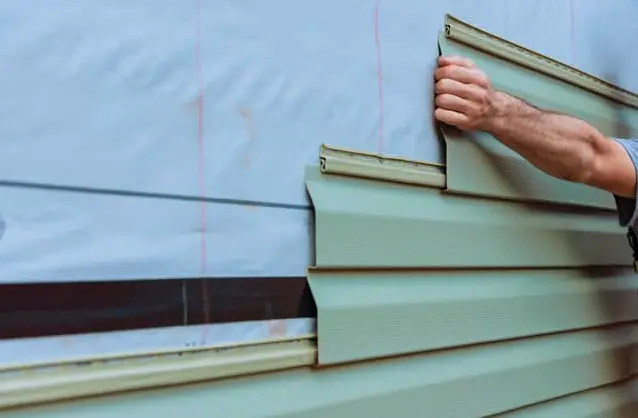
- Installing the new siding
- Sealing and finishing the exterior
Professional installation helps ensure the siding performs as intended for many years.
Check for Hidden Damage
Once the old siding is removed, contractors sometimes discover problems that weren’t visible from the outside.
These may include:
- Water damage
- Wood rot
- Mold
- Damaged sheathing
- Insect damage
Repairing these issues before installing new siding helps prevent future structural problems.
Ask About Warranties
Before choosing a siding product or contractor, ask about available warranties.
You should understand:
- Manufacturer warranty on siding materials
- Workmanship warranty from the contractor
- Coverage for installation defects
- Warranty duration
A quality warranty provides added confidence in your investment.
Choose an Experienced Siding Contractor
The quality of the installation is just as important as the siding material itself.
When comparing contractors, consider:
- Experience with siding installation
- Proper licensing and insurance
- Customer reviews
- Previous project photos
- Written estimates
- Warranty coverage
A reputable contractor will answer your questions, explain your options, and help you choose the best solution for your home.
Prepare Your Home Before Installation
A little preparation can help your siding replacement project stay on schedule.
Before work begins:
- Move outdoor furniture away from the house.
- Trim shrubs or tree branches near exterior walls.
- Remove decorations or fragile items from walls inside the home.
- Keep driveways clear if requested by your contractor.
- Make arrangements for pets to stay safely away from the work area.
Benefits of Replacing Your Siding
Installing new siding offers more than just a fresh appearance.
Homeowners often enjoy:
- Improved curb appeal
- Better weather protection
- Increased energy efficiency
- Reduced maintenance
- Higher property value
- Better resistance to moisture and pests
- Greater confidence in the condition of their home
When installed correctly, quality siding can provide reliable protection for decades.
Why Homeowners Choose M.A.C Contractor
At M.A.C Contractor, we understand that replacing your siding is a significant investment. Our team works closely with homeowners to recommend the right siding materials, provide professional installation, and deliver results built to last.
From the initial inspection to the final walkthrough, we focus on quality craftsmanship, clear communication, and attention to detail so you can feel confident throughout the entire project.
Conclusion
Replacing your siding is an opportunity to improve your home’s protection, appearance, and energy efficiency. By understanding your material options, preparing for the installation process, and working with an experienced contractor, you can make a decision that adds lasting value to your property.
If your siding is showing signs of age or damage, a professional evaluation can help determine whether replacement is the right solution. With the right materials and expert installation, your home will be better protected and look its best for years to come.
Frequently Asked Questions
How do I know if my siding needs to be replaced?
Common signs include cracks, warping, rot, fading, moisture damage, loose panels, and rising energy bills. A professional inspection can determine whether repair or replacement is the best option.
What is the best siding material for a home?
The best material depends on your budget, maintenance preferences, and local climate. Vinyl, fiber cement, engineered wood, and natural wood are all popular choices with different advantages.
How long does siding replacement take?
Most residential siding replacement projects take several days to about a week, depending on the size of the home, weather conditions, and any repairs needed beneath the old siding.
Will replacing my siding improve energy efficiency?
Yes. New siding, especially when combined with proper insulation and weather barriers, can help reduce heat loss and improve indoor comfort.
Is it better to repair or replace damaged siding?
Small areas of damage can often be repaired. However, if the siding is old, extensively damaged, or showing widespread wear, replacement is usually the more cost-effective long-term solution.