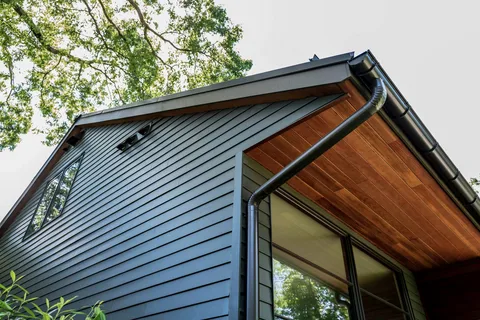
Siding is often overlooked when homeowners consider ways to improve energy efficiency. Most people focus on insulation, windows, or HVAC systems, but siding plays a crucial role in maintaining indoor comfort, reducing energy bills, and protecting the structure of your home. Upgrading or properly maintaining your siding can have a significant impact on energy efficiency.
How Siding Affects Your Home’s Energy Efficiency
Siding is more than just a cosmetic feature or protective layer—it is part of your home’s thermal envelope. It shields your house from wind, rain, snow, and extreme temperatures. Proper siding reduces heat loss in winter and prevents unwanted heat gain in summer, which helps your heating and cooling systems work more efficiently.
Older siding or poorly installed panels can create gaps and cracks that allow drafts and moisture to penetrate your walls. Even small leaks can increase energy consumption over time. Modern siding materials, particularly those with built-in insulation, provide a strong barrier that improves comfort while reducing energy bills.
Choosing the Right Siding Material for Energy Efficiency
Insulated Vinyl Siding
Insulated vinyl siding is one of the most popular choices for energy-conscious homeowners. These panels have a foam backing that increases the R-value, which measures a material’s resistance to heat transfer. Higher R-values mean better insulation and reduced energy costs. Insulated vinyl siding is low-maintenance, weather-resistant, and comes in a wide variety of colors and textures.
Fiber Cement Siding
Fiber cement siding is durable, fire-resistant, and low-maintenance. While it does not come with built-in insulation, it works well with house wraps or foam boards installed underneath. Fiber cement siding also reflects heat better than wood siding, helping to regulate indoor temperatures and maintain comfort.
Wood Siding
Wood siding provides moderate insulation but requires proper installation and maintenance to perform effectively. Sealing gaps, painting, and treating the wood to prevent moisture infiltration are key to maintaining its energy efficiency. When maintained properly, wood siding can improve home insulation while adding natural beauty.
Metal Siding
Metal siding, such as aluminum or steel, is highly durable but conducts heat unless paired with insulated panels. With proper insulation, metal siding offers excellent energy efficiency and can last for decades with minimal maintenance.
Signs Your Siding May Be Reducing Energy Efficiency
Even high-quality siding can lose effectiveness if it is damaged or improperly installed. Look for signs such as drafts near windows or corners, inconsistent indoor temperatures, cold or hot spots on walls, and higher energy bills. Visible issues like peeling, cracking, or warped siding can indicate that your home is losing energy and may require repair or replacement.
The Importance of Proper Installation
Correct installation is crucial for energy-efficient siding. A professional contractor ensures that all gaps are sealed, flashing and weather barriers are properly installed, and siding panels are aligned correctly. House wraps or vapor barriers under the siding further prevent moisture infiltration and enhance insulation performance. Proper installation minimizes air leaks, reduces energy loss, and maximizes the performance of your siding.
Color and Finish Considerations
The color and finish of siding can affect how well it regulates temperature. Lighter colors reflect sunlight, helping keep your home cooler in the summer. Darker colors absorb heat, which may increase cooling costs in warmer climates but could be beneficial in colder regions. Some modern siding materials also come with reflective coatings that improve energy efficiency without compromising aesthetics. Choosing the right color and finish for your climate can enhance the overall effectiveness of your siding.
Siding Maintenance for Long-Term Efficiency
Maintaining your siding is essential to preserve its energy-saving properties. Regular cleaning prevents dirt and debris from affecting its reflective properties, and routine inspections help identify loose panels, gaps, or cracks. Timely repairs prevent energy loss, water damage, and reduced insulation effectiveness. Consistent maintenance ensures your siding continues to protect your home while maximizing energy efficiency for years.
Benefits Beyond Energy Efficiency
Upgrading to energy-efficient siding has advantages beyond lowering energy bills. Quality siding protects your home from moisture, pests, and weather damage, enhancing durability. It can also improve curb appeal and increase resale value. Many modern siding options are low-maintenance, reducing long-term upkeep costs. For environmentally conscious homeowners, some siding materials are made from recycled content or designed to reduce energy consumption, contributing to a more sustainable home.
Real-World Impact on Energy Bills
Homeowners who upgrade to insulated or energy-efficient siding often see a noticeable reduction in heating and cooling costs. Depending on your home and climate, energy savings can range from 20 to 30 percent, with older homes experiencing even greater benefits. Beyond cost savings, homeowners report improved indoor comfort, with fewer drafts in winter and cooler temperatures in summer. Over time, the investment in energy-efficient siding pays for itself while enhancing the overall quality of your home.
Choosing the Right Contractor
When considering siding upgrades for energy efficiency, working with a professional contractor is essential. A licensed contractor can assess your current siding, recommend suitable materials, and ensure proper installation. Ask for references, review past projects, and request detailed estimates to make an informed decision. Partnering with an experienced contractor ensures that your siding will deliver the maximum energy-saving benefits.
Conclusion
Siding is often overlooked in discussions about energy efficiency, but it plays a vital role in protecting your home, reducing energy costs, and improving comfort. Selecting the right material, ensuring proper installation, and maintaining your siding over time can make a significant difference. Whether you’re building a new home or upgrading existing siding, investing in energy-efficient options is a smart decision that benefits your wallet, your comfort, and the environment.